Oh Deer

Oh, hello.
Mr. E spotted him first, just as we were about to sit down to dinner. This young buck had about 6 points on him. My initial theory that the front yard, high traffic area (note the taillight of a passing car on the right) beds will keep the critters away is now officially and thoroughly discredited. Squirrels, groundhogs, and now deer in broad daylight. Not much left but vines for him to chomp on. I’d already pulled a bunch of tomatoes the past few days.
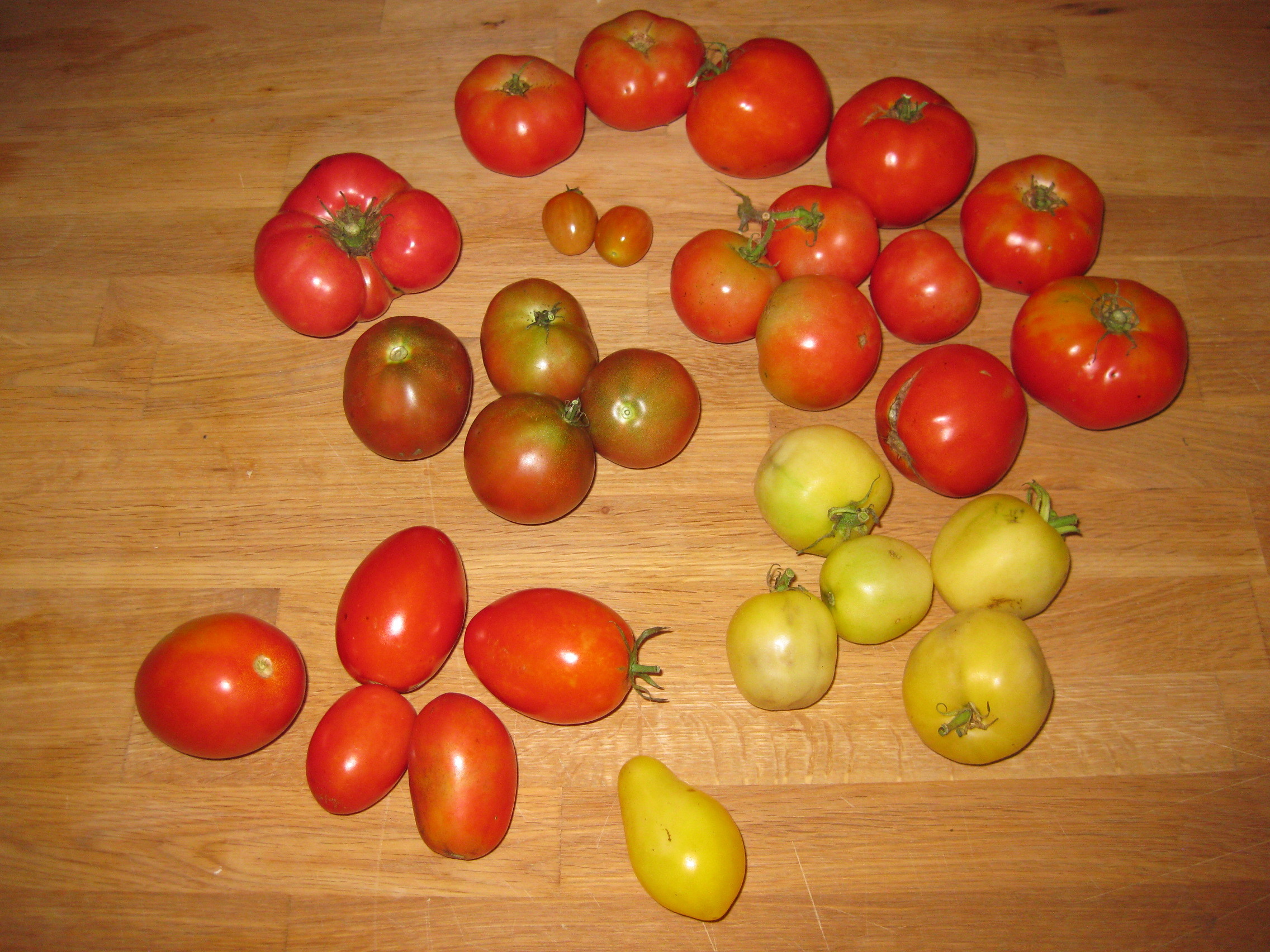 They all basically came in at once – about 100-120 days from seed to harvest. Ridiculous. I should have been eating these much sooner, but mistakes were made. Ah well. Please don’t let me complain about 30 fresh organic tomatoes for chrissakes!
Early Fall
Things are winding down in the garden for summer produce, with our cooler weather being the largest indicator that the end is nigh. My cucumber vines gave up all of a sudden when we had a cold snap last week, so I snipped about 8 of them in stages over the course of 4 days. About 10 tomatoes were ready, but there’s double that still green on the vine. I’m guessing those will need to be ripened inside unless we get some warm sunshine next week. 
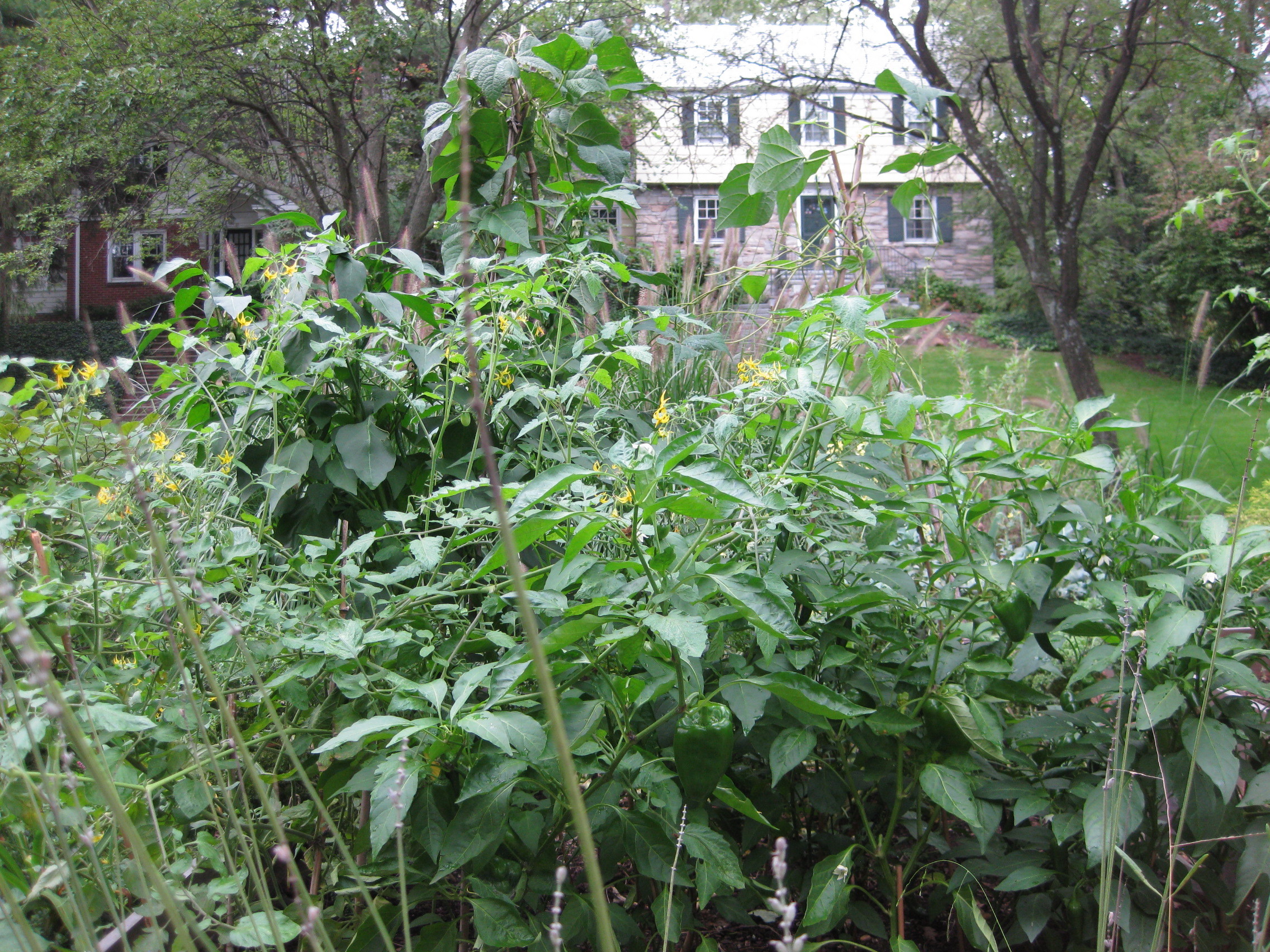
 In general terms of harvesting, and for documentation’s sake, we had a lot of peppers, cucumbers and squash (despite the pests) in the past month. So many peppers we decided to can 12 jars’ worth of jalapenos and long green hots for the first time. Much easier process than we expected.
The potato bags were emptied a few weeks ago and we ended up with about 6 lbs. of yukon gold and fingerlings altogether. Beans have been coming in OK, but not as prolific as in years past. Part of that was due to the location of the bush beans – they were too close to the tomato jungle and didn’t get enough sun. Tomatoes certainly didn’t have the volume of fruits I was expecting from the amount of plants I put in the ground. Why? It got too crowded in the bed too fast and the fruits struggled to get their share of sunlight. Next year I’ll plant less and space them further apart.
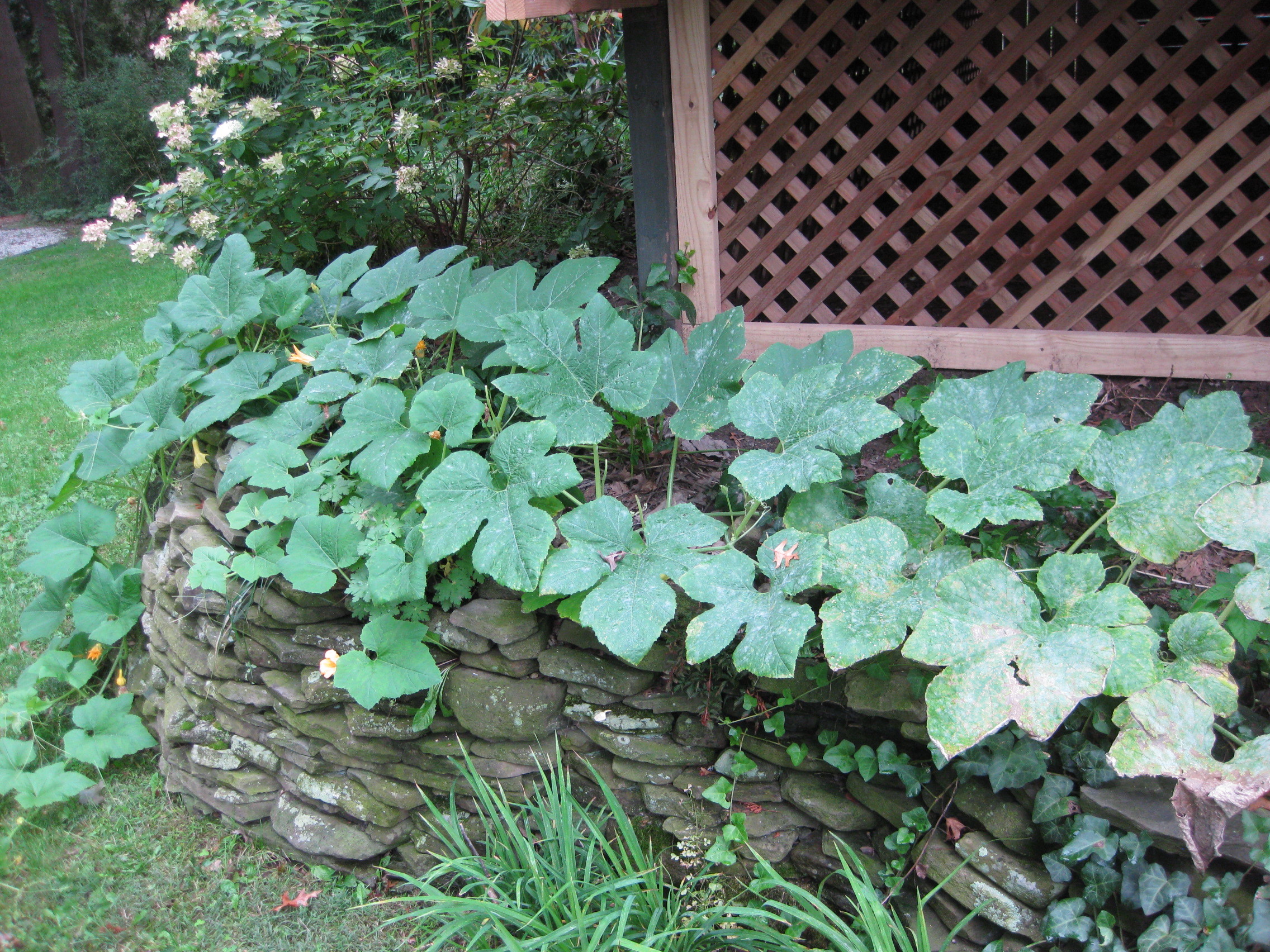
And I had a volunteer squash vine show up on the side of the house. It’s apparently a perennial. I remember it from last year, but thought I had pulled the vine at some point. Nice surprise at the end of the season to get some yellow squash. This location is getting a proper bed next year.
Pestilence
With the push for people to get out and plant some food for themselves over the past few years, little has been said about the various creatures that descend and attack soon after those plantings. Could be that most gardeners with years of experience and well versed in the pain and heartache of pestilence, disease and just plain failure-to-grow-for-no-apparent-reason don’t want to discourage newcomers from getting into gardening. I completely understand that. Hell, we need as many people as humanly possible out there growing food right now. But it needs to be said folks: there are bad bugs out there and they’re coming for your crops. The following is not a laundry list, just the most common I’ve seen over the years.
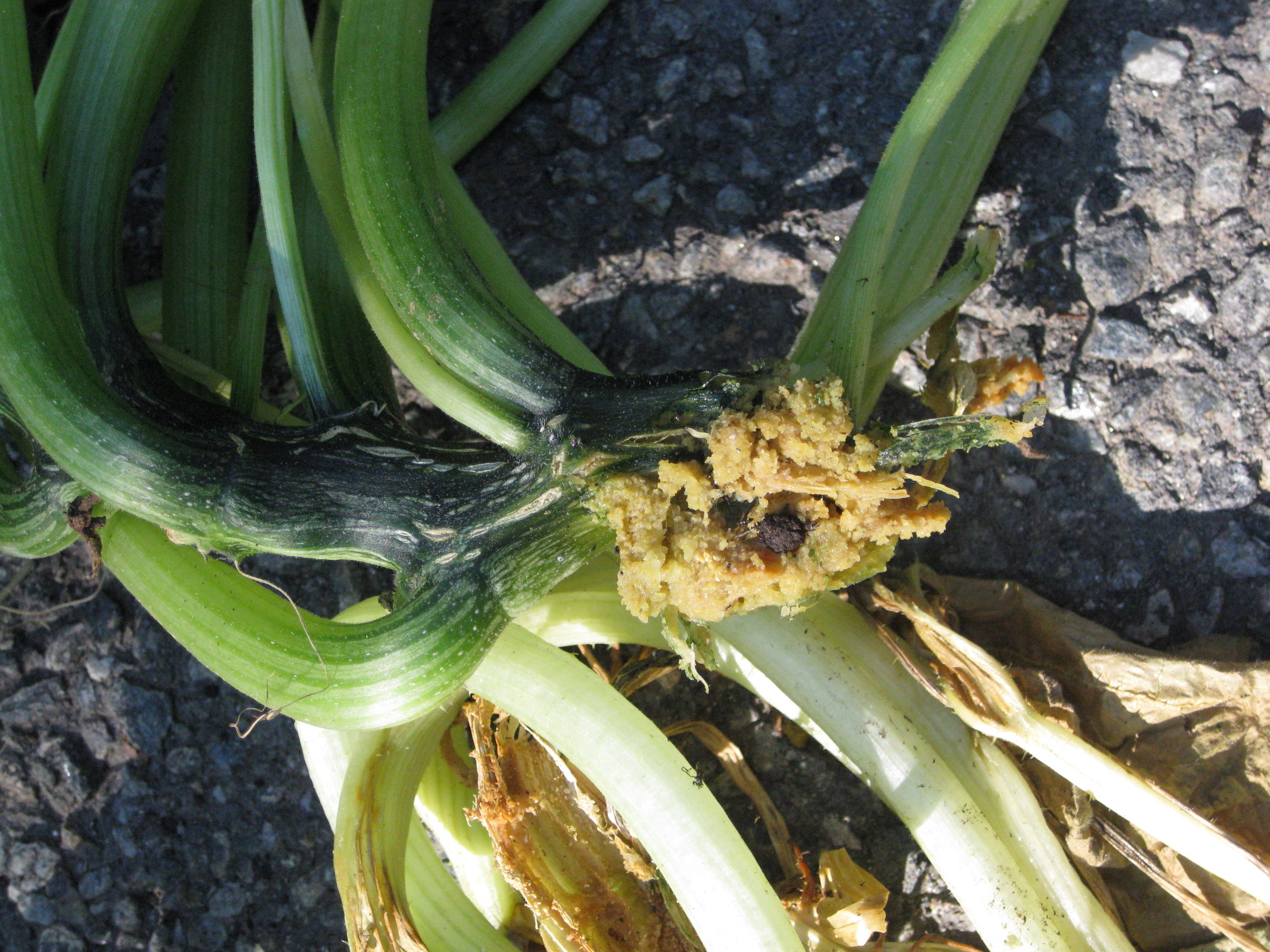
The Squash Vine Borer (Melitta curcurbitae) New to me this year, but the bane of existence for the majority of people growing squash. A few weeks ago, when my squash plants should have been producing 5 or 6 fruits per plant, I was only ending up with 1 or 2 mature fruits at most, with some of the smaller guys withering up and dying on the vine. Leaves were also wilting. And then I looked down at the base of one of the vines to see this:
Frassed Out
No question, it was the work of SVB larvae. As they eat their way through a stem, they leave a pile of yellow-orange droppings resembling wet sawdust, called frass. Over the next few days, 5 of my plants fell victim to SVB. All were Zephyrs, a summer squash/zucchini hybrid that is mostly yellow in color, which is what attracts the adult SVB. All were pulled and put in the trash. There are a few ways one can try to save the plants with open-vine surgery, applications of Bt, etc., but I just didn’t have the heart. I still have 2 healthy plants. Next year, more vigilance!
The Tomato Hornworm (Manduca quinquemaculata) eventually turning into a Five Spotted Hawkmoth. Also new to me this year. While one can easily miss the TH on one’s plant’s due to their green color, these guys easily caught my eye as they’d been parasitized, covered in wasp larvae. But those suckers did some damage. A couple of developing tomatoes had been munched on and 4 or 5 stalks had been chewed off (each of which had 3-5 small toms), which I thought was the work of a groundhog or squirrel. Solution: lopped off the branch they were attached to and put in the trash. No serious harm done here as long as I don’t see any more.
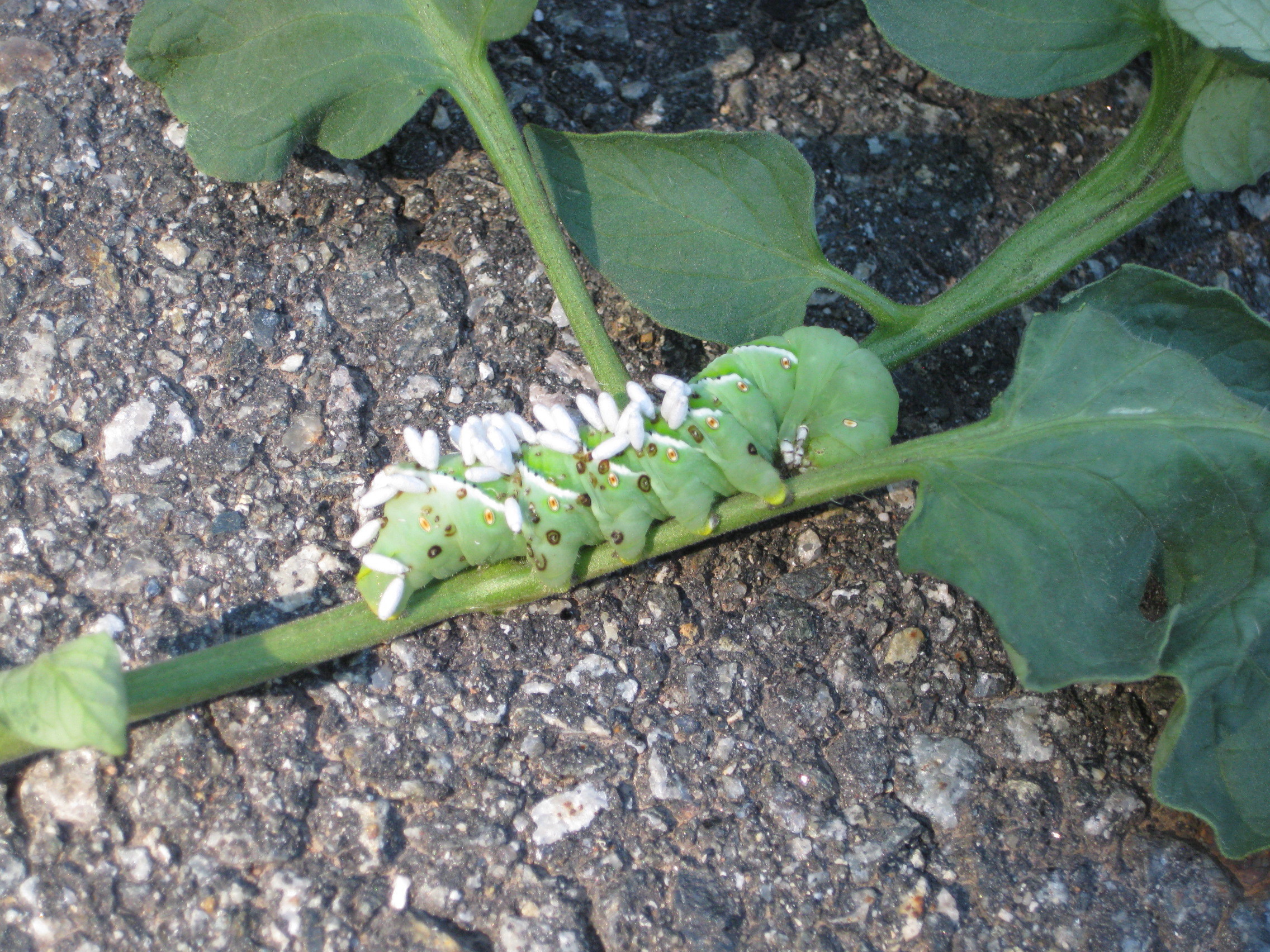
Tomato Hornworm
The Japanese Beetle (Popillia japonica Newman). Southern NJ has the distinction of being the first place these lil’ bastards were found in the U.S. according to this fine USDA publication. And boy, have they proliferated. In fact, you’ll hardly ever see them by themselves. They prefer the company of others, brazenly having orgies on your plants. I first experienced them in Maine, when skunks dug up chunks of my lawn looking for their larvae to snack on. Once the larvae reach maturity, they fly out of their holes and start to chow down. Though they’re quoted as eating a large variety of fruit trees andvegetable plants, they’ve only appeared on two of my crops yearly without fail: basil and bean plants. Haven’t bothered to figure out why, I just want them out of my yard. In Maine, I put a decidedly non-organic grub treatment on the lawn to get rid of the larvae for the first couple of years we were in the house and before I started gardening in earnest. That seemed to reduce the adult population in subsequent years with no lawn treatment. However, I still had beetles showing up on my plants – those were picked and executed on the spot. Again, there are milky spore and other organic treatments out there which I have yet to try. The aforementioned USDA report has good information should one decide to follow an integrated pest management plan to, er, manage these guys. The photo below is taken from the University of Wisconsin. I’ve never managed to photograph them myself, I was always too enraged at the sight of them that they were squashed into oblivion before I thought of taking their picture.
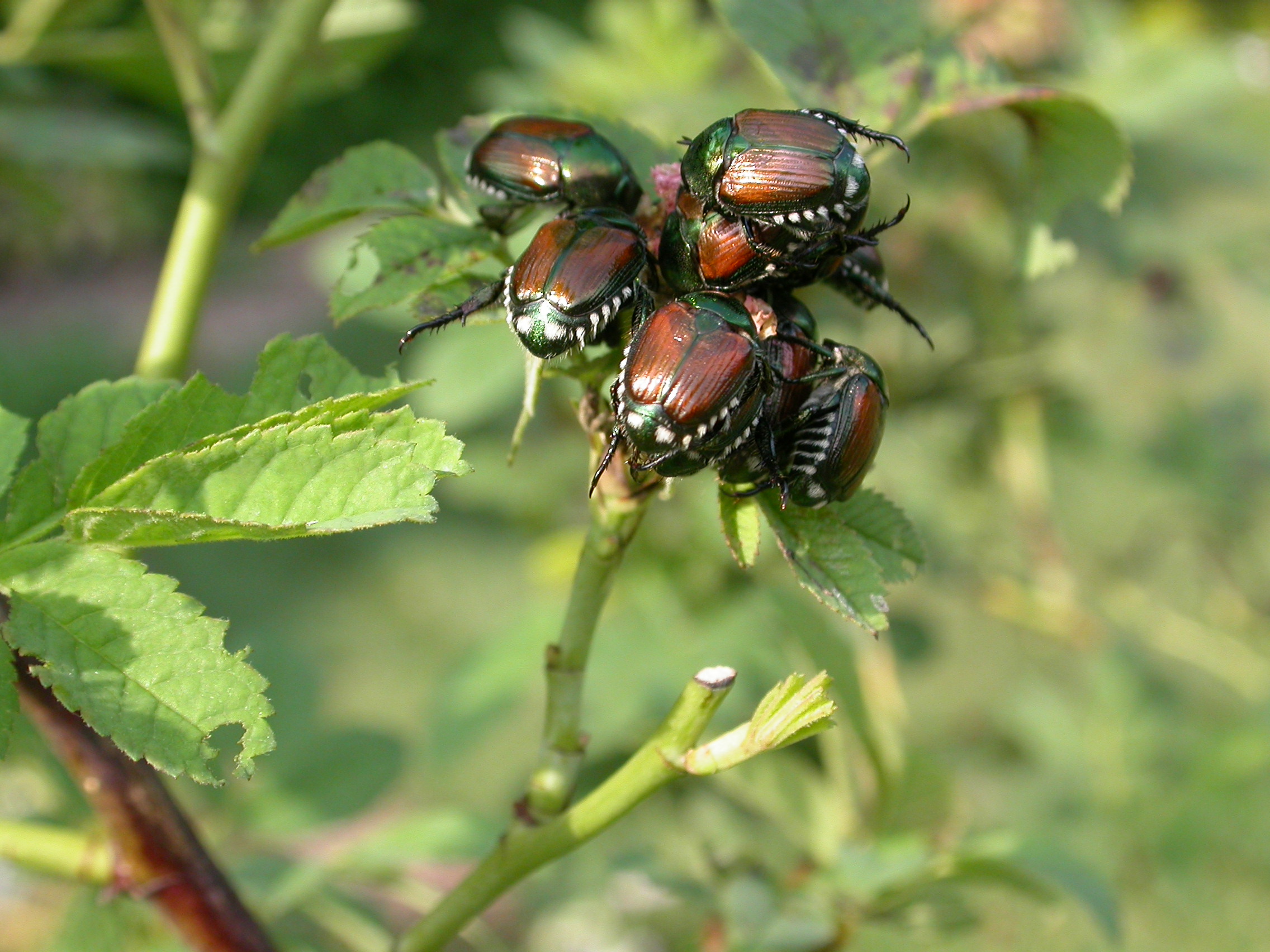
Japanese Beetles
The Cabbageworm. I mentioned these in a post last year when they attacked my broccoli and kale. While I saw similar bite marks on both plants this year, I never caught them in the act. My remedy, as with the other pests has been limited to diligent searching and destroying. Gardener’s Supply has a list of items you can try if this is a real problem for you.
With all these pests, you’ll notice I didn’t say “get rid of” when mentioning remedies. One can only reduce the population in one’s area and must accept a certain amount of veg loss each year. This was a real hard truth for me to comprehend. Clearly, most commercial farmers refuse to accept losses and cover their crops with pesticides. Right now, I just can’t bring myself to do that, organic or otherwise. My livelihood certainly doesn’t depend on it. So once I decided to accept some loss, I started planting a little extra at the beginning of the season to compensate. Now I just have to get past the occasional grossness of nature.
Hazy
It’s hot. Texas hot. Looking at a map, one says to oneself “by all rights, states up here should not be as hot as states down there.” Right? Dang.
The Somegarden is doing well aside from some blossom-end rot on my Japanese Black Trifele tomatoes. 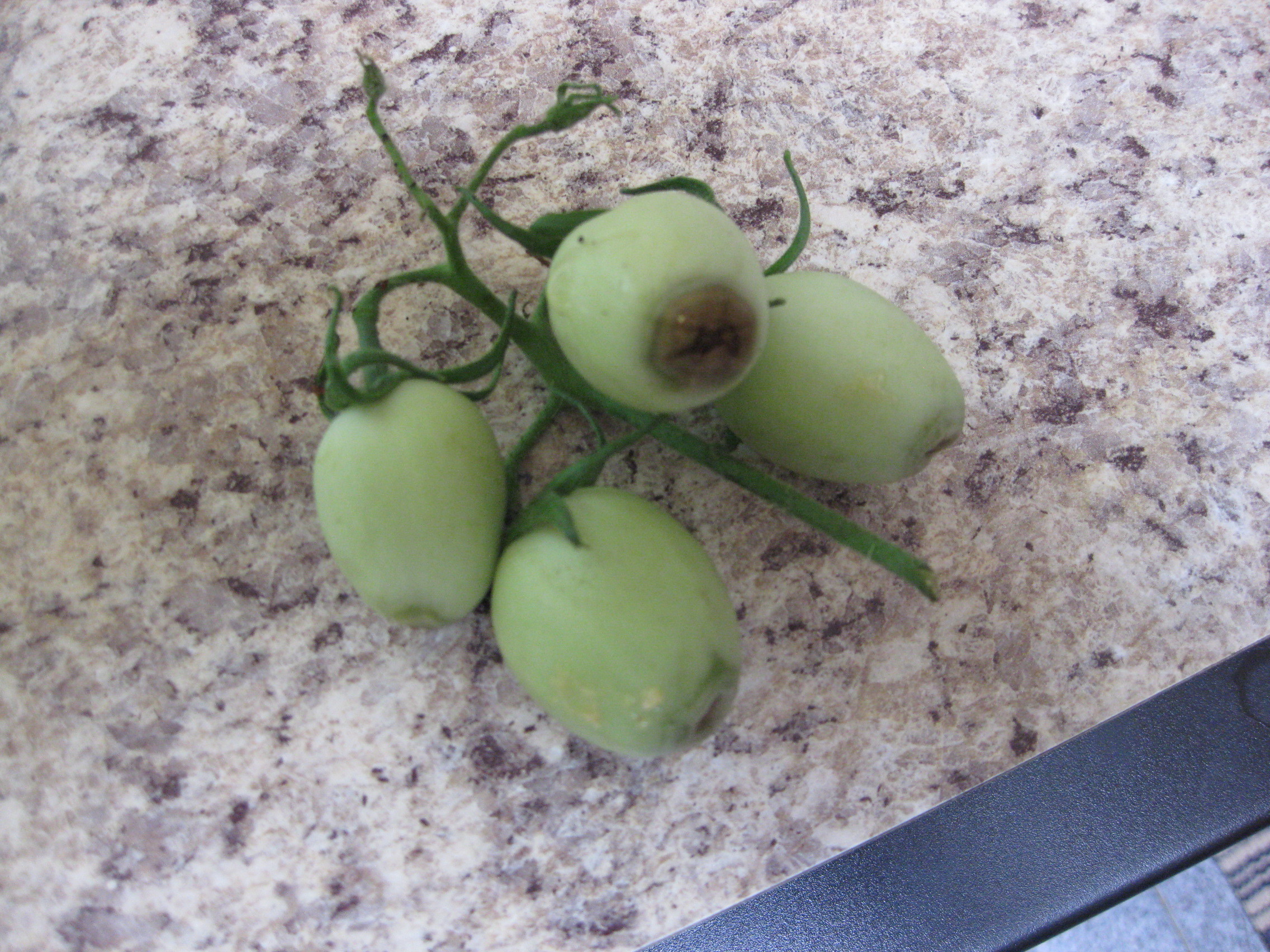 None of the other varieties have been affected so far and I’ve been growing these for the past 3 years without this problem, so I guess these guys need more calcium than my soil can provide them. I’ll need to work some bone meal in there this weekend.
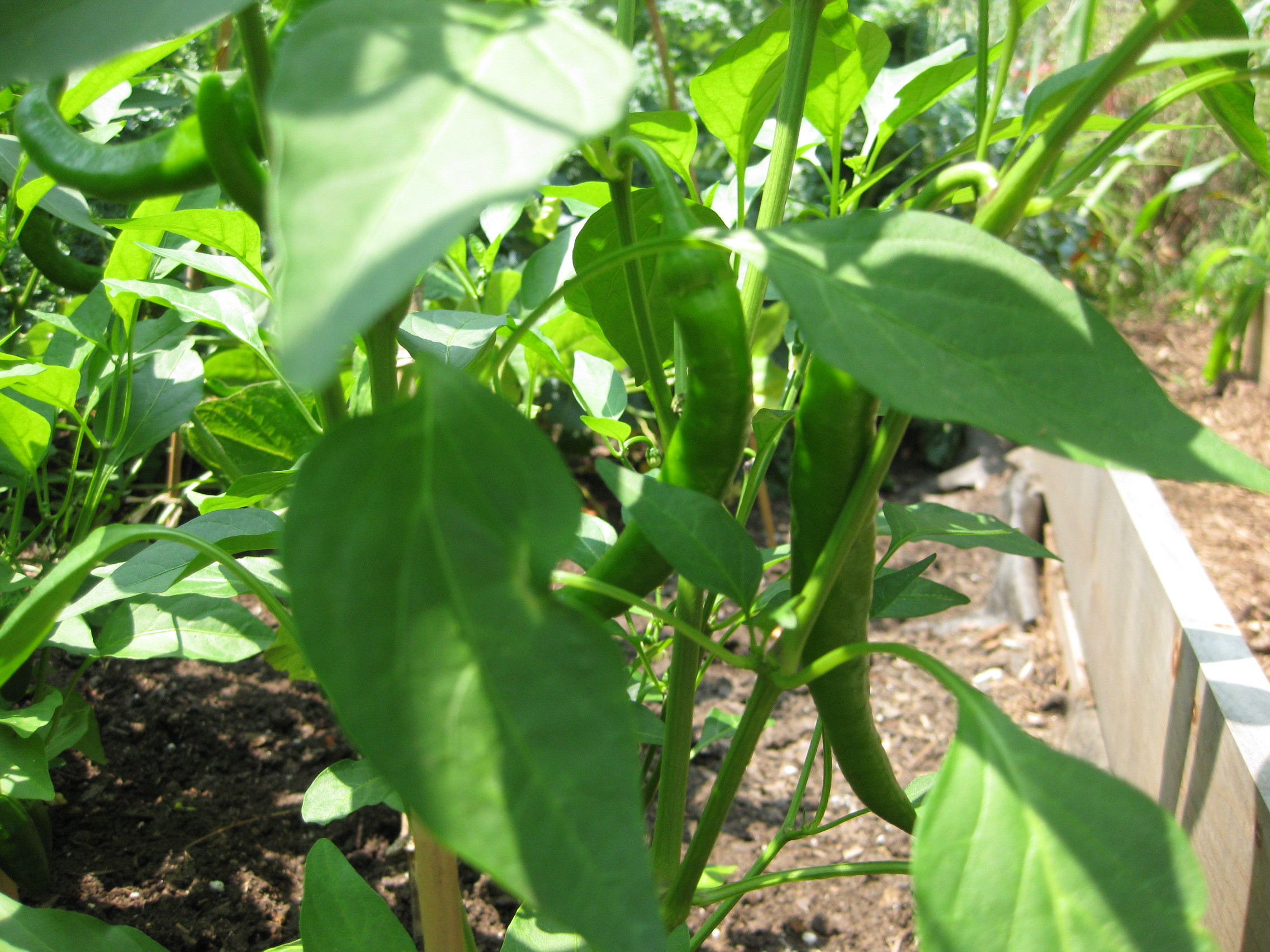
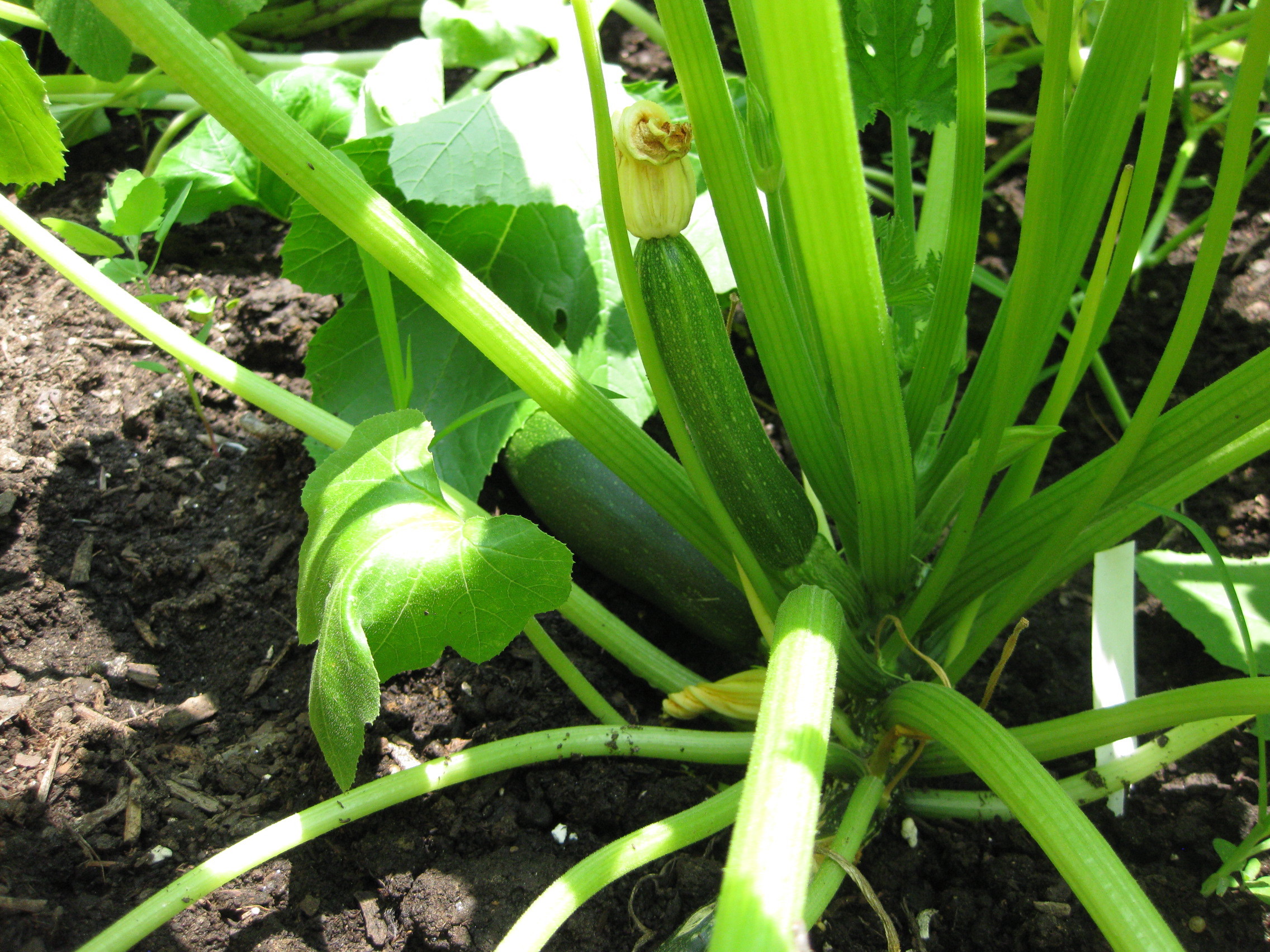
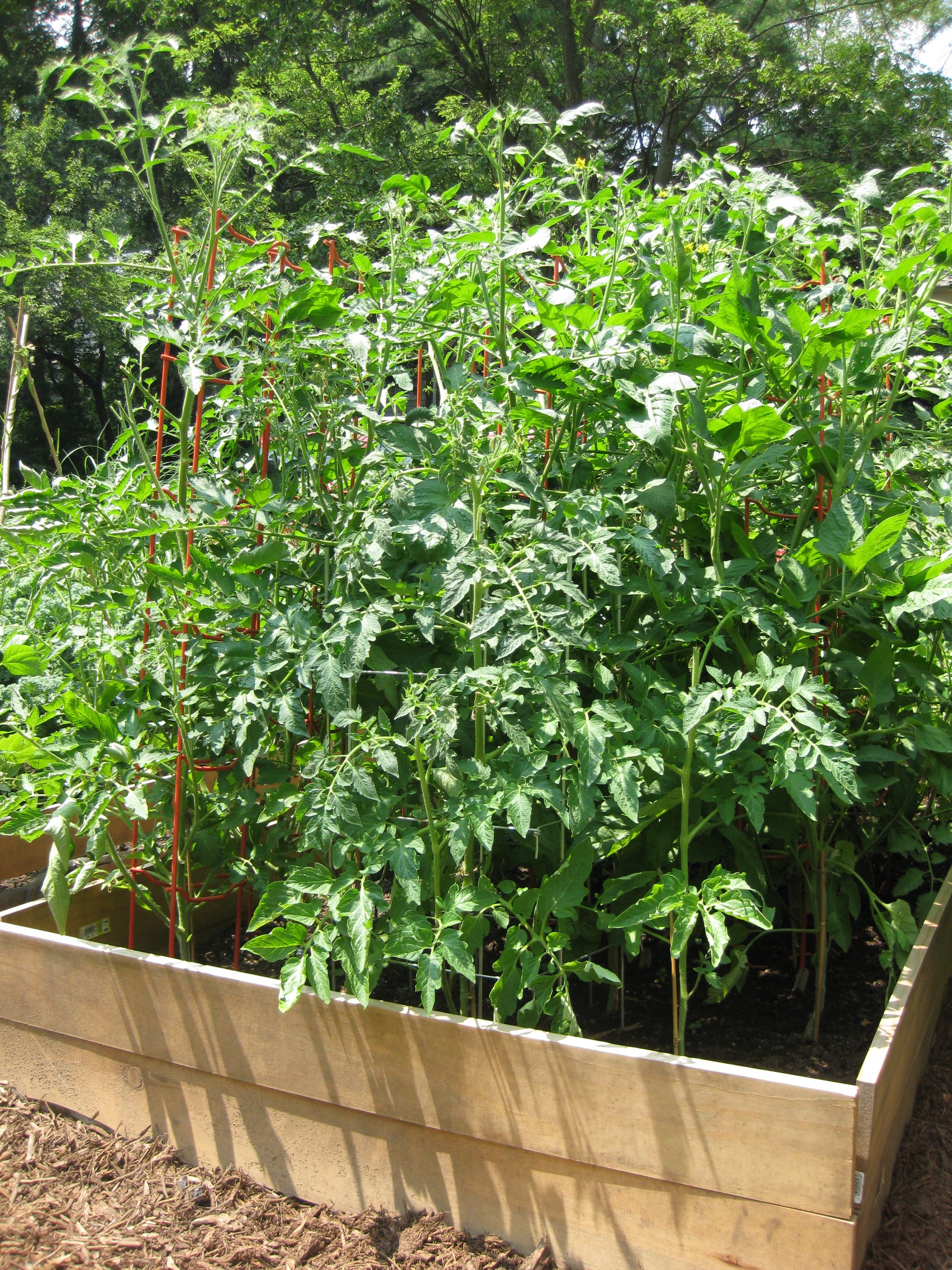
A number of cukes are on the way, as well as zucchini, corn, beans, beets, potatoes and a jungle’s worth of tomatoes. In the meantime, we’ve picked about 12 Shanti hot peppers so far and yowzers, they are as advertised. 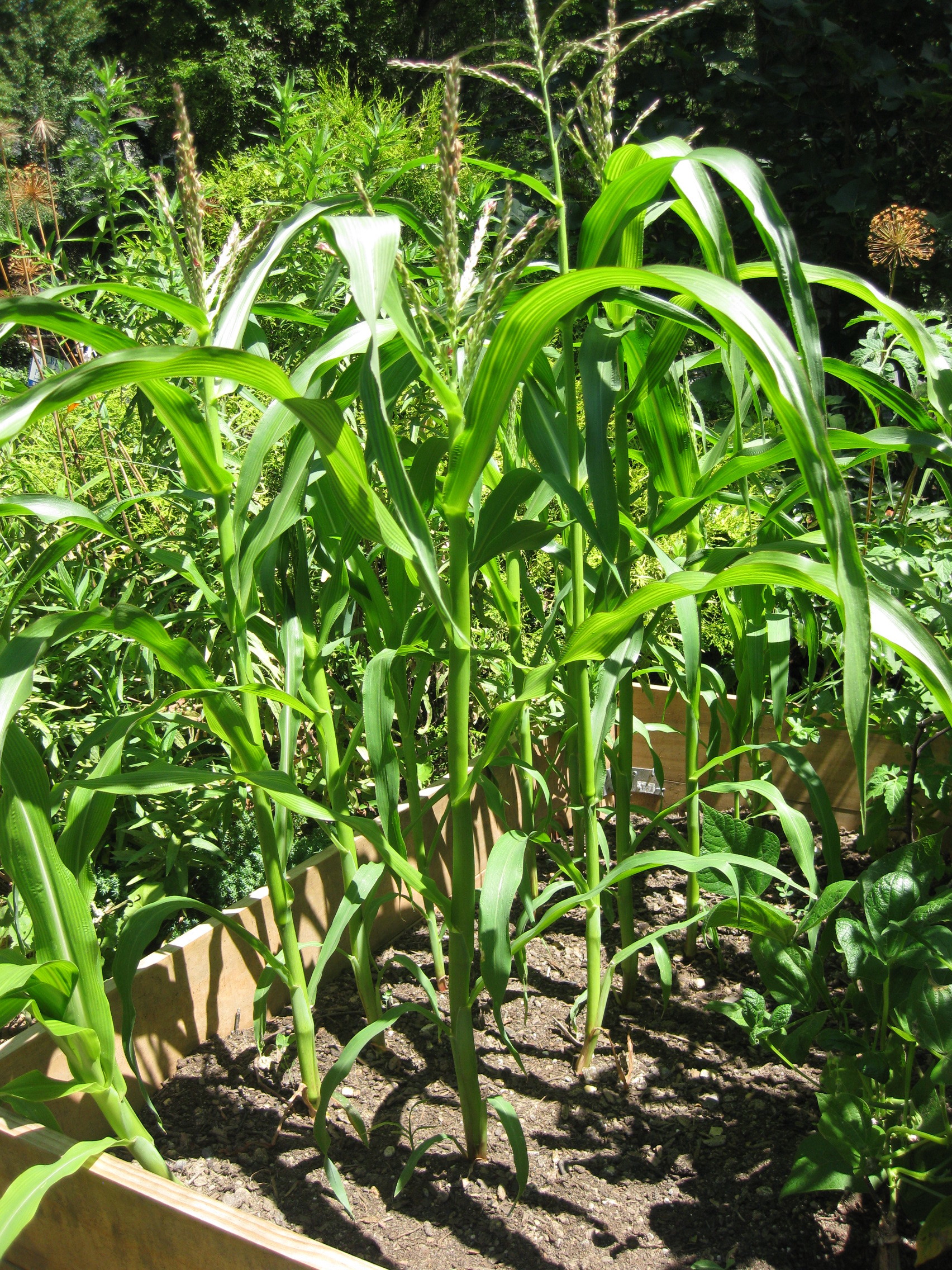 Oh and kale, lots of kale. Sigh. They do make nice chips if you’re so inclined. Good recipe here.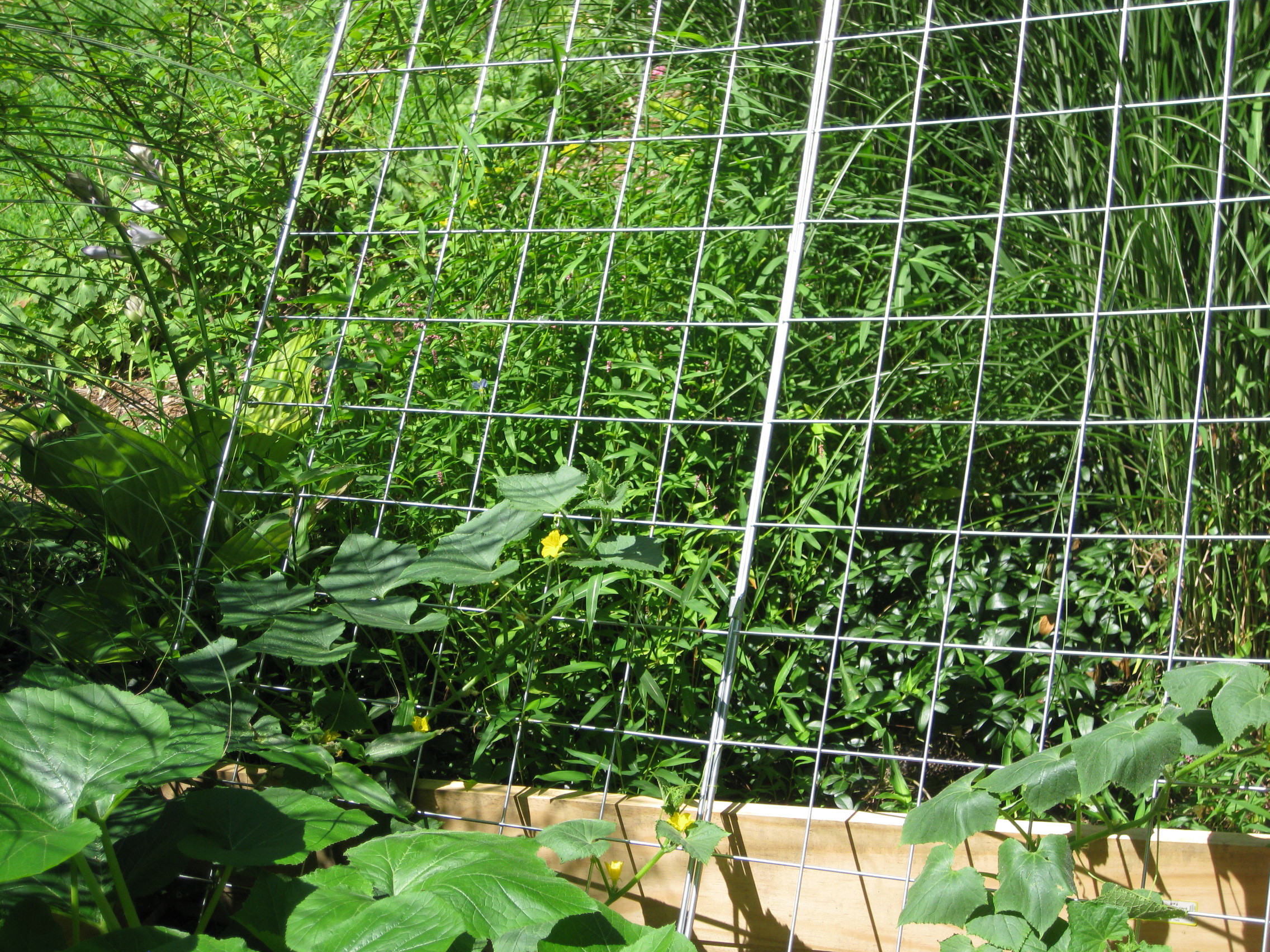
Eire Now
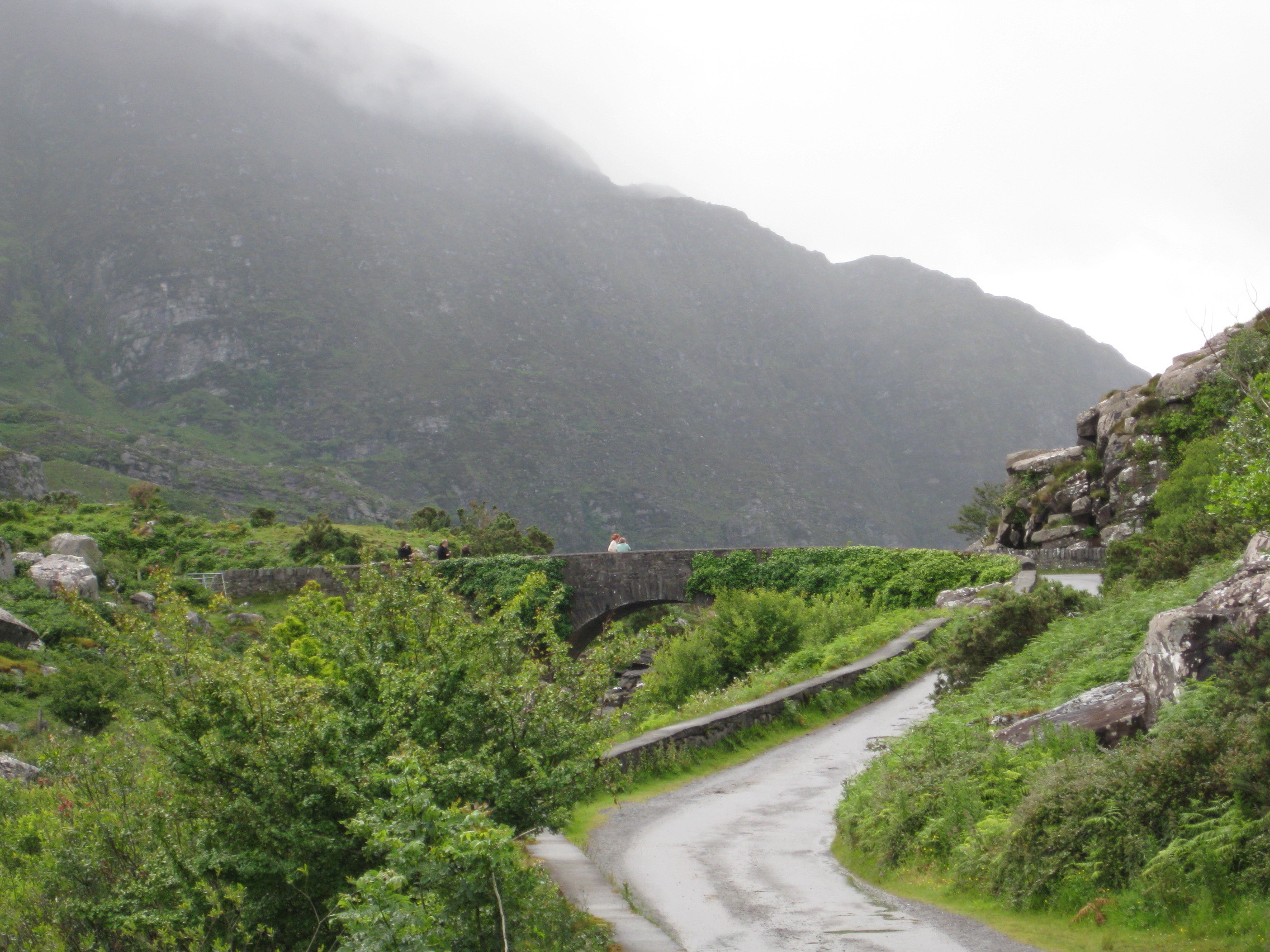
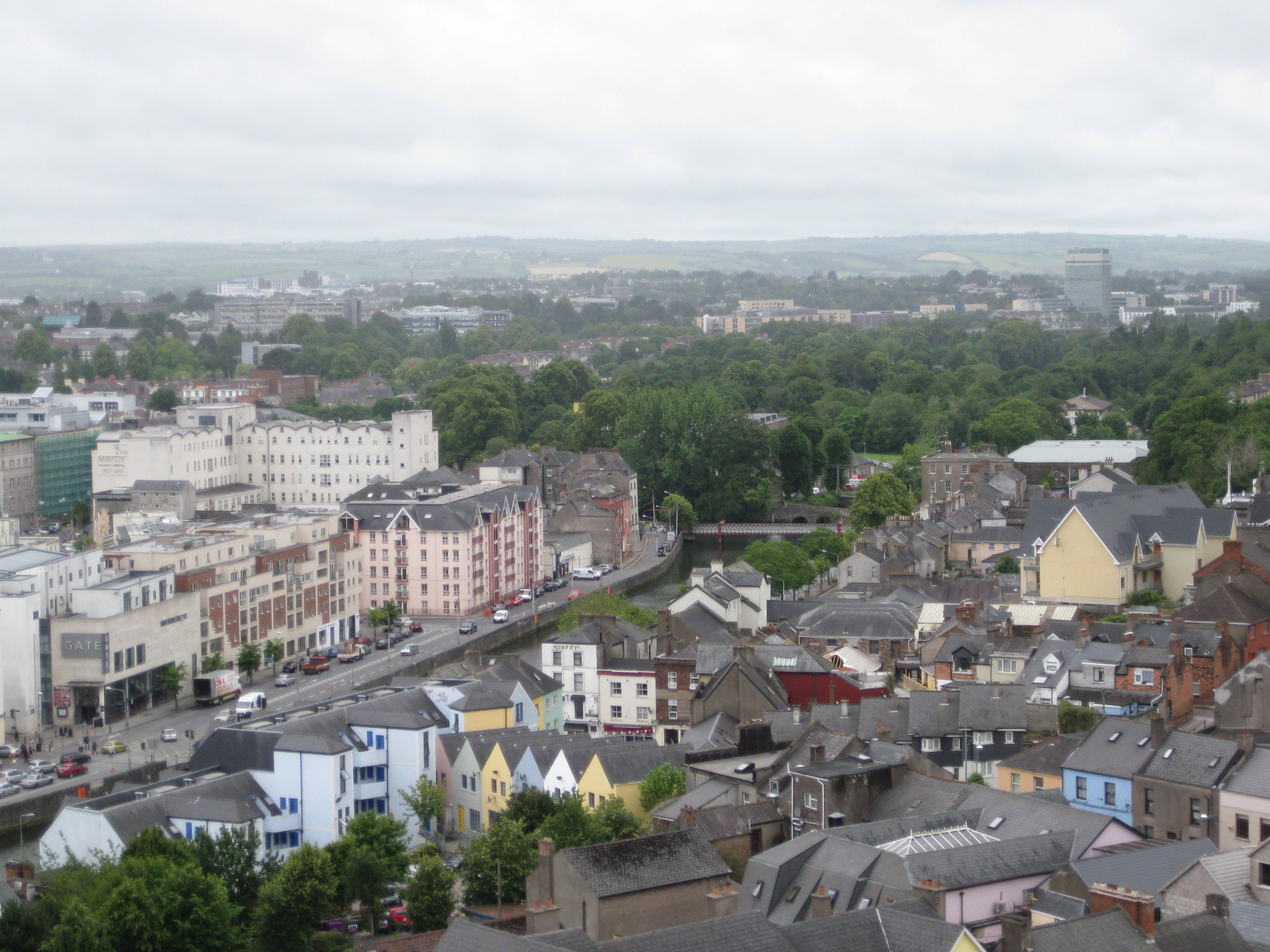
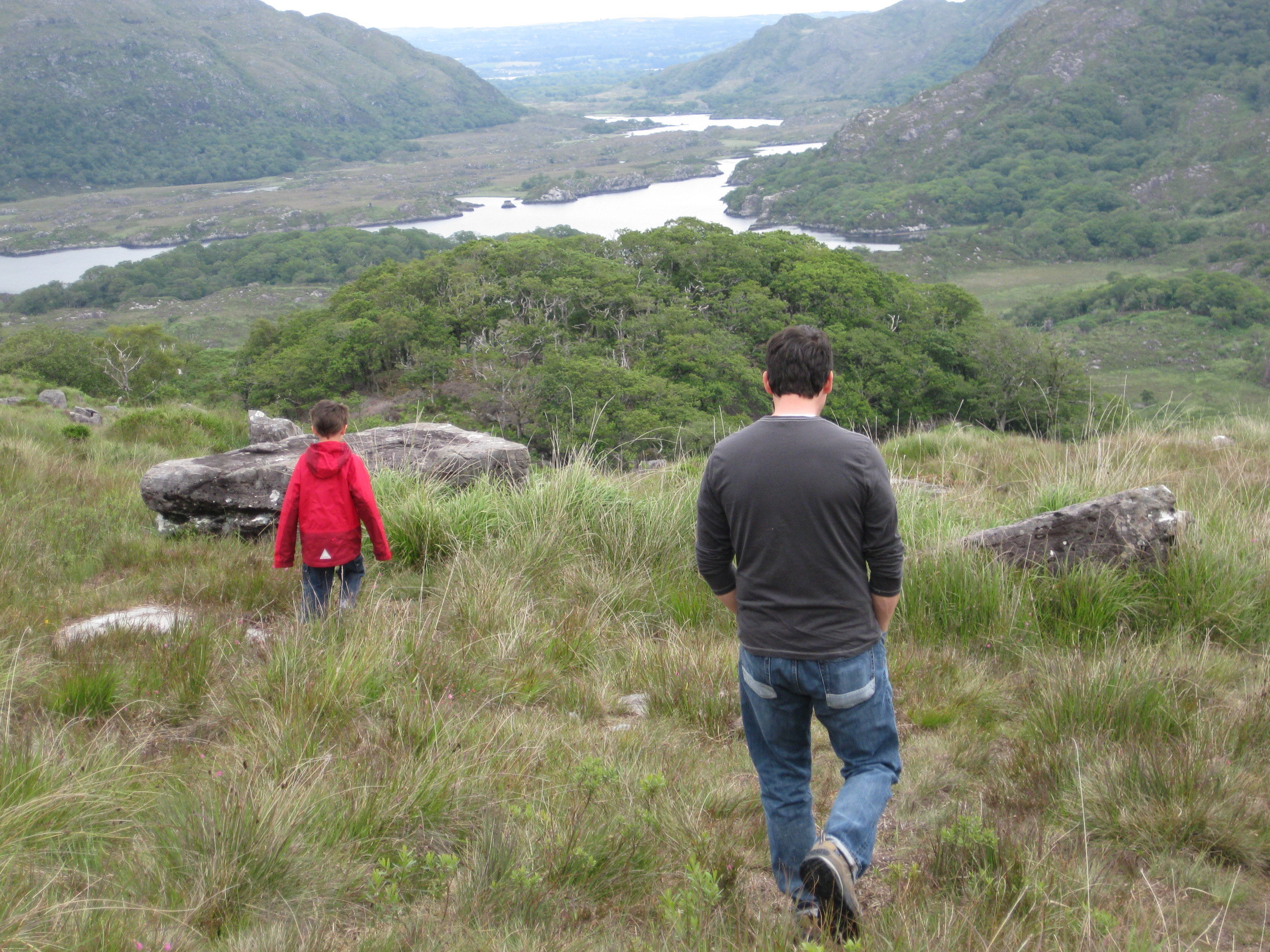
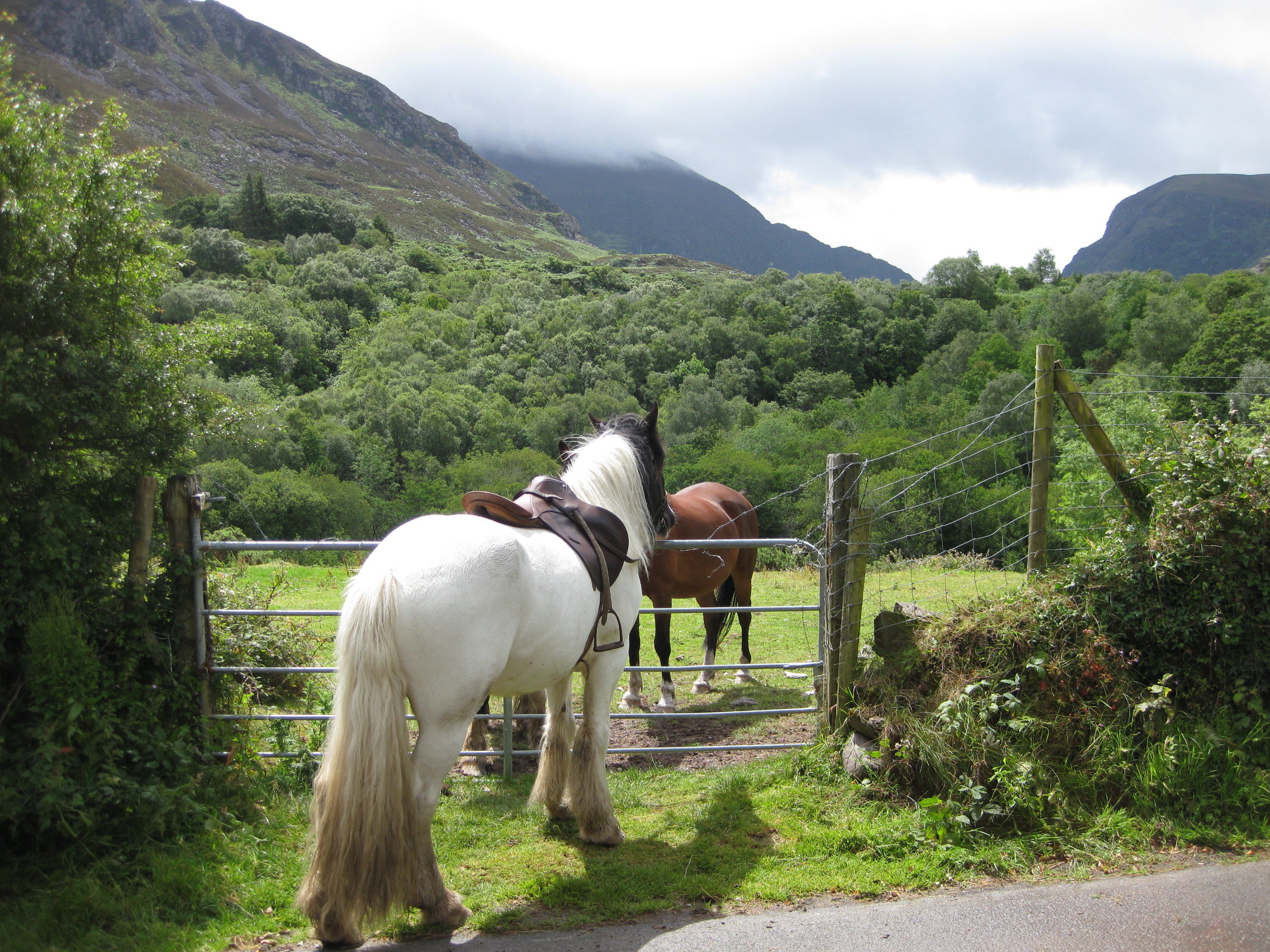
Had a wonderful 10 days visiting Ireland. Dublin was a very manageable, welcoming, cosmopolitan city that I could see us living in for an extended period of time, were that opportunity to ever present itself. Pouring one’s own fresh pint at the Guinness brewery being one of the many draws. Alas, we were only there for 2 days and stayed in Kenmare, on the west coast for the remaining 8, with daytrips to Cork and Killarney National Park. Traveling abroad with Mr. E was no harder than traveling to a restaurant at home. Just a bit longer is all. He was a trooper.



Early Summer
Hey y’all. Strawberries have been picked, Mr. E wrapped his first season of Tball on Monday, Kindergarten ends next week, the community pool opens this Saturday … summer has arrived.
Garden-wise, the past month has been all leafy greens, all the time. But now the spinach is long gone and I just yanked all my bolting lettuce plants last Saturday to make room for other stuff. 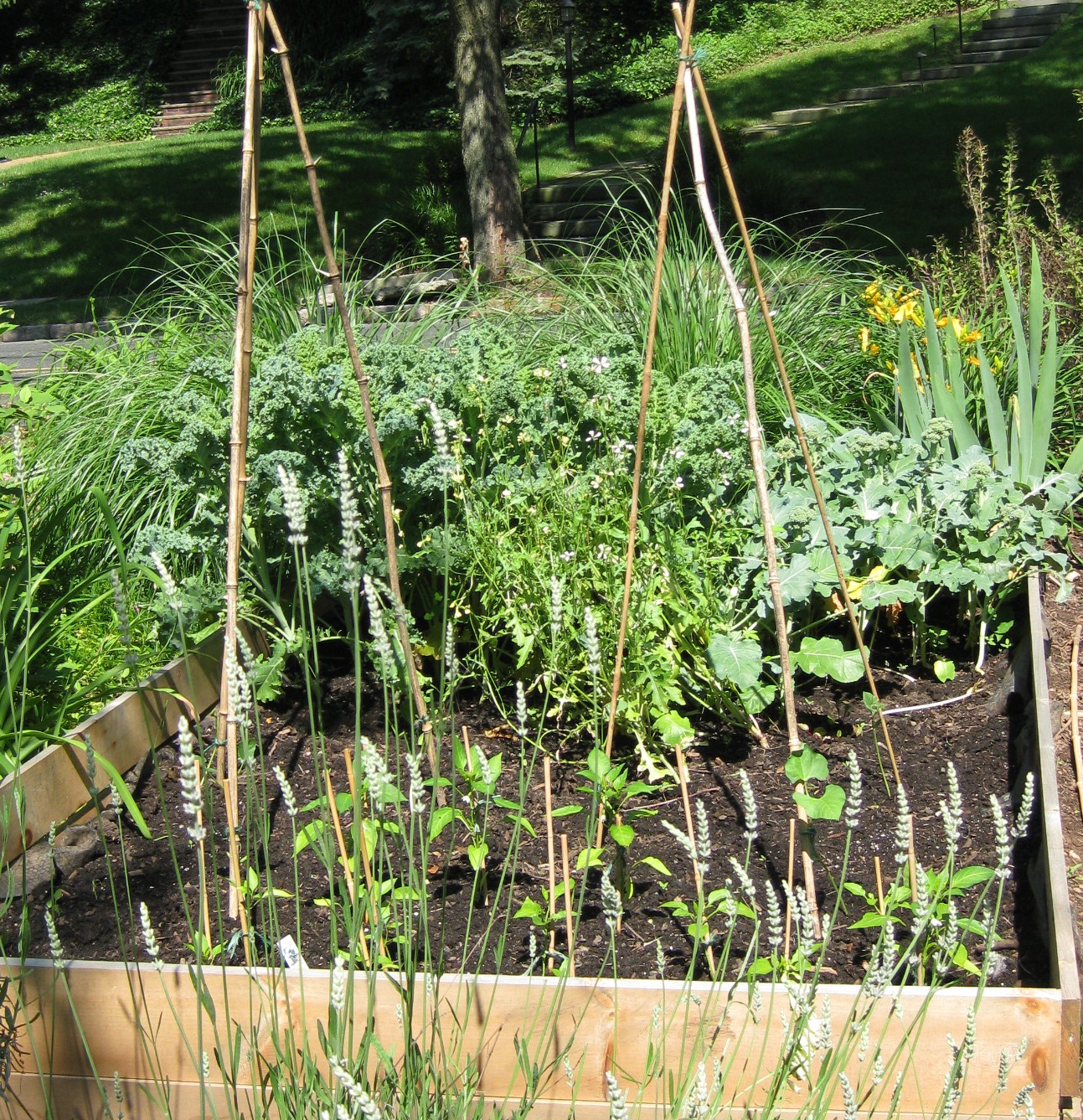 All told, I harvested 3 lbs. of spinach and around 6 lbs. of lettuce. I’m pretty happy with that. Cut a few heads of broccoli yesterday with more to come. Kale’s up and ready, but the Mrs. hasn’t had a hankering for it yet and neither have I, so it will stay there for a while. The arugula I left to its own devices. Beets are still growing as no critters have pilfered them (yet). But the peas aren’t doing so well. When it was time to plant, the 2nd bed wasn’t ready yet and I chose a spot that doesn’t get sun until 11am or so, thus the anemic growth. Next year they’ll get better treatment.
Been getting the potatoes (Yukon Gold, Russian Banana Fingerling) established for almost a month now in the grow bags. The dirt is near the brim, so nothing to do now except wait until August. 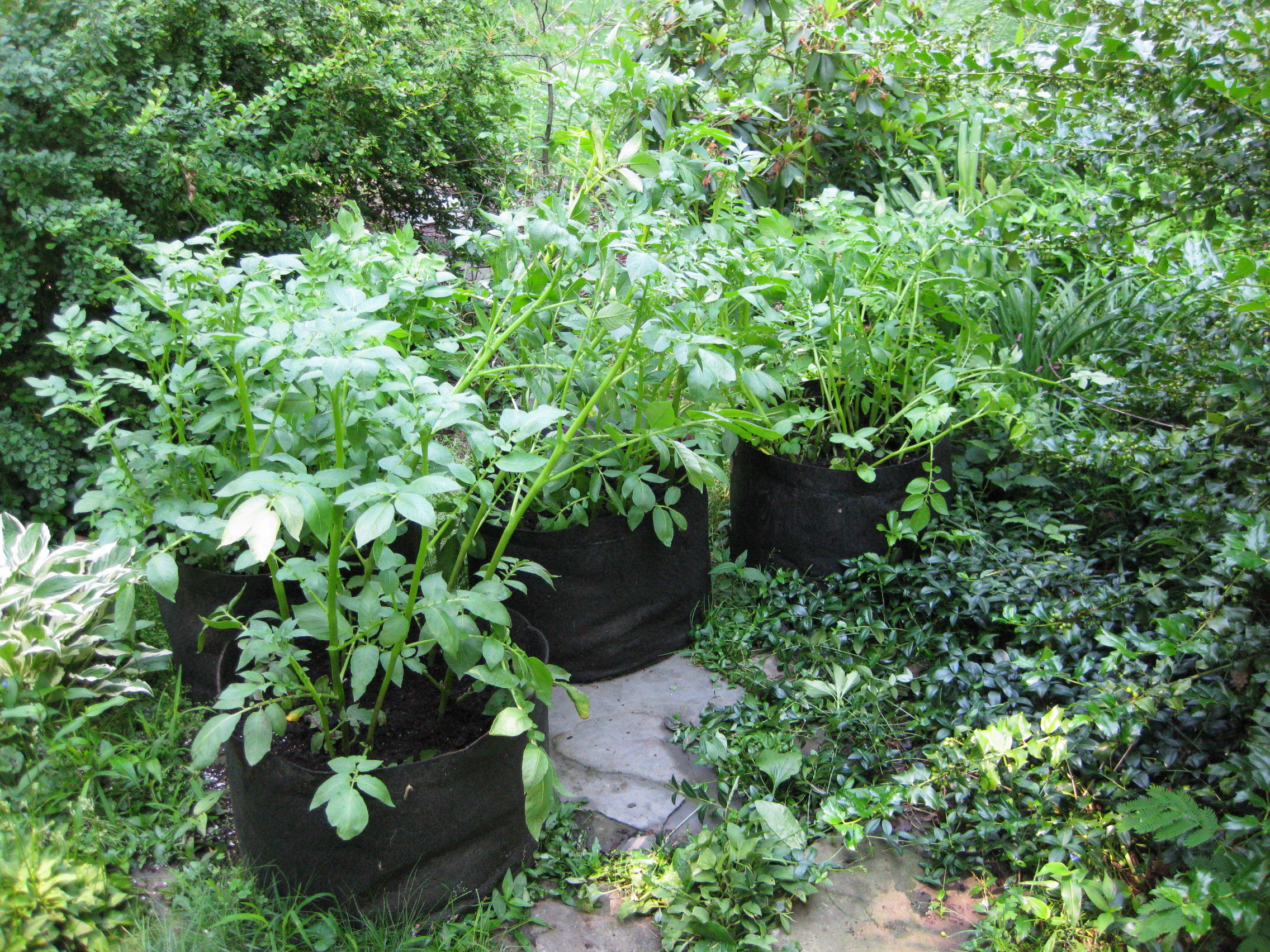 With the lettuce gone, I put in my pepper seedlings (bell, jalapeno) and pole beans (Fortex). The new raised bed has the majority of my tomato seedlings, along with three bush bean (Provider) seedlings and some corn (Dorinny).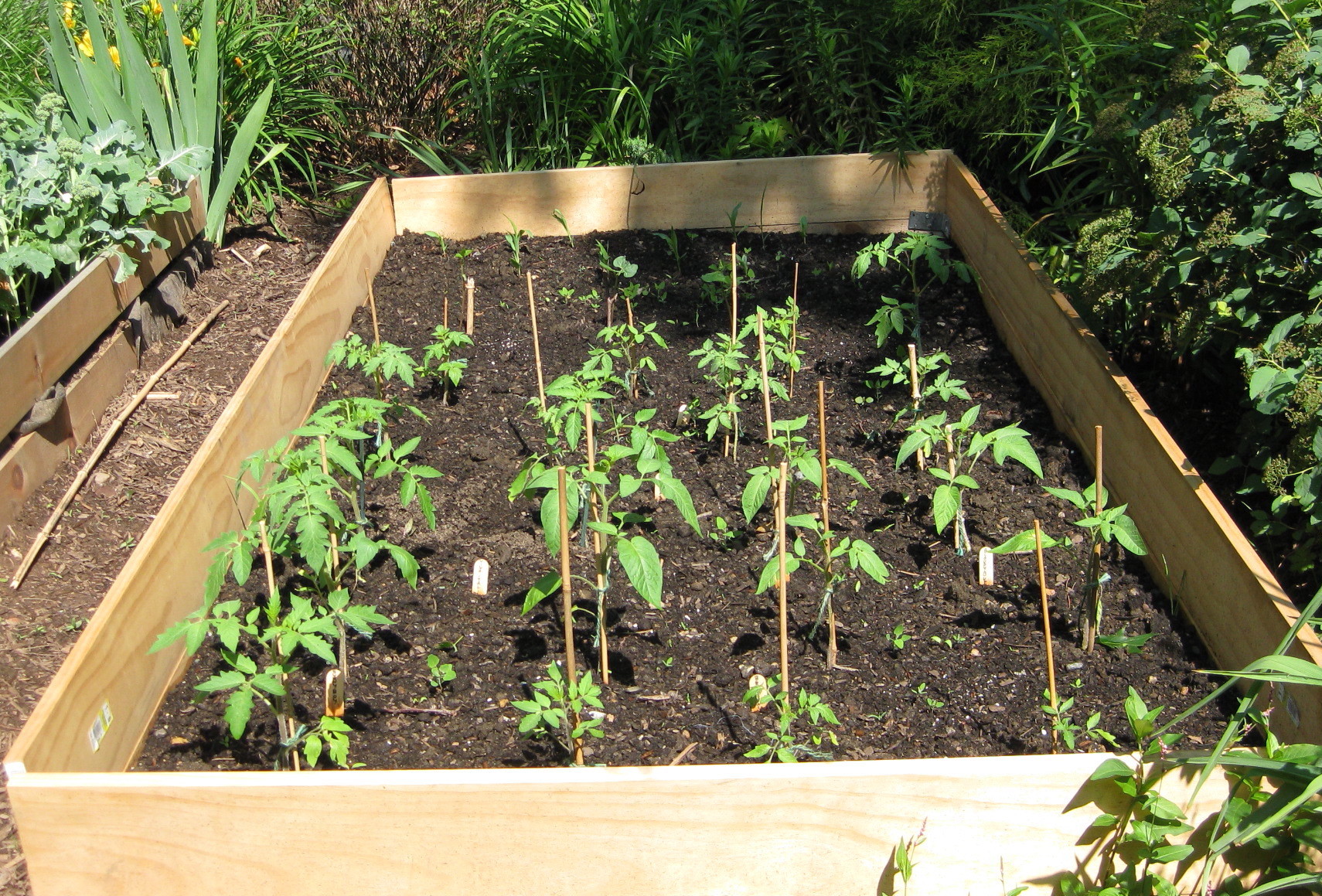
And so I find myself out of room with melon, cucumber and squash seedlings in waiting. Not to worry dear readers, I got a sunny spot all scoped out, soon to be cleared. Landscaping be damned.
For documentation’s sake, a final list of crops planted: spinach, lettuce, swiss chard, kale, arugula, broccoli, beets, bell peppers, jalapeno peppers, peas, potatoes, tomatoes, pole beans, bush beans, corn, melons, squash, zucchini, cucumbers.
Spinach Harvest and Plant Sale
Plants kicked into high gear the past week, enough for me to harvest about a pound of spinach this morning. Both varieties planted this year (Bloomsdale Long Standing and Greyhound) performed way better than others used in the past, so welcome to the semi-permanent lineup my friends. Either you are a pair of badasses or I’m improving at this gardening thing. Or both, I guess.
Also patronized our town garden club‘s very crowded annual plant sale yesterday (their 71st!). The selection was amazing. Picked up some swiss chard, basil, thyme, grape tomatoes, jalapenos, three ferns and two lilies. My neighbor got to the sale later in the day and the grape tomatoes were gone, so I traded half of mine for some of her Small Frys, a variety I haven’t tried before.
And in that spirit, let us go forth and garden!
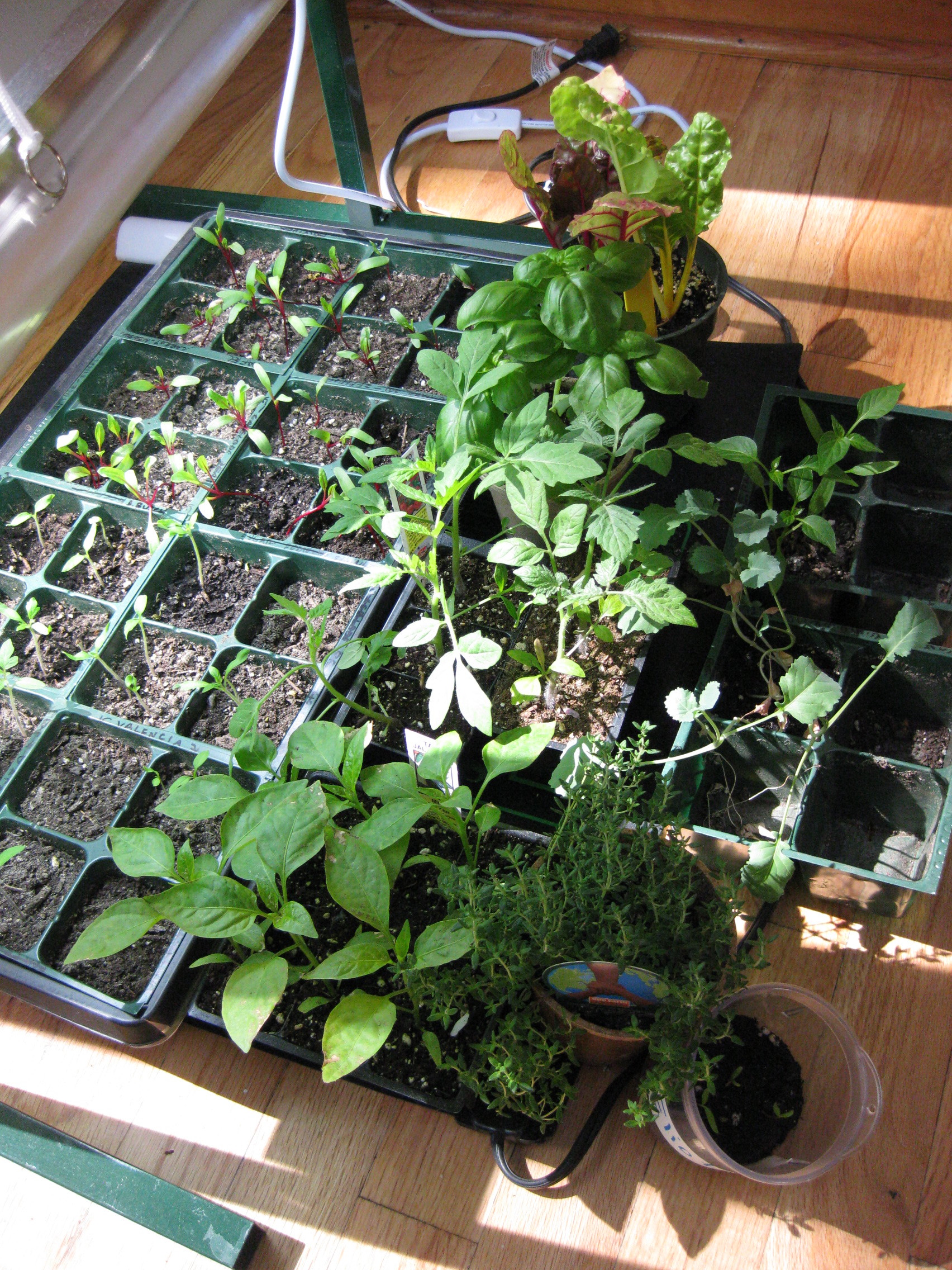
Plant Sale Booty

Spinach Harvest
Spring Flower Slideshow
As I mentioned in a prior post, we bought a house formerly occupied by a skilled gardener, though we didn’t get a list of what was in the yard plant-wise. Seeing what’s been popping up the past 2 weeks has been fun. Slideshow below: Hellebores, Bleeding Heart, Daffodils, Virginia Bluebells and Fritillaria meleagris, otherwise known as Checkered Lilly, Snakeshead, a striking purple flower that looks like a cross between columbine and a chinese lantern plant.
It’s a Start
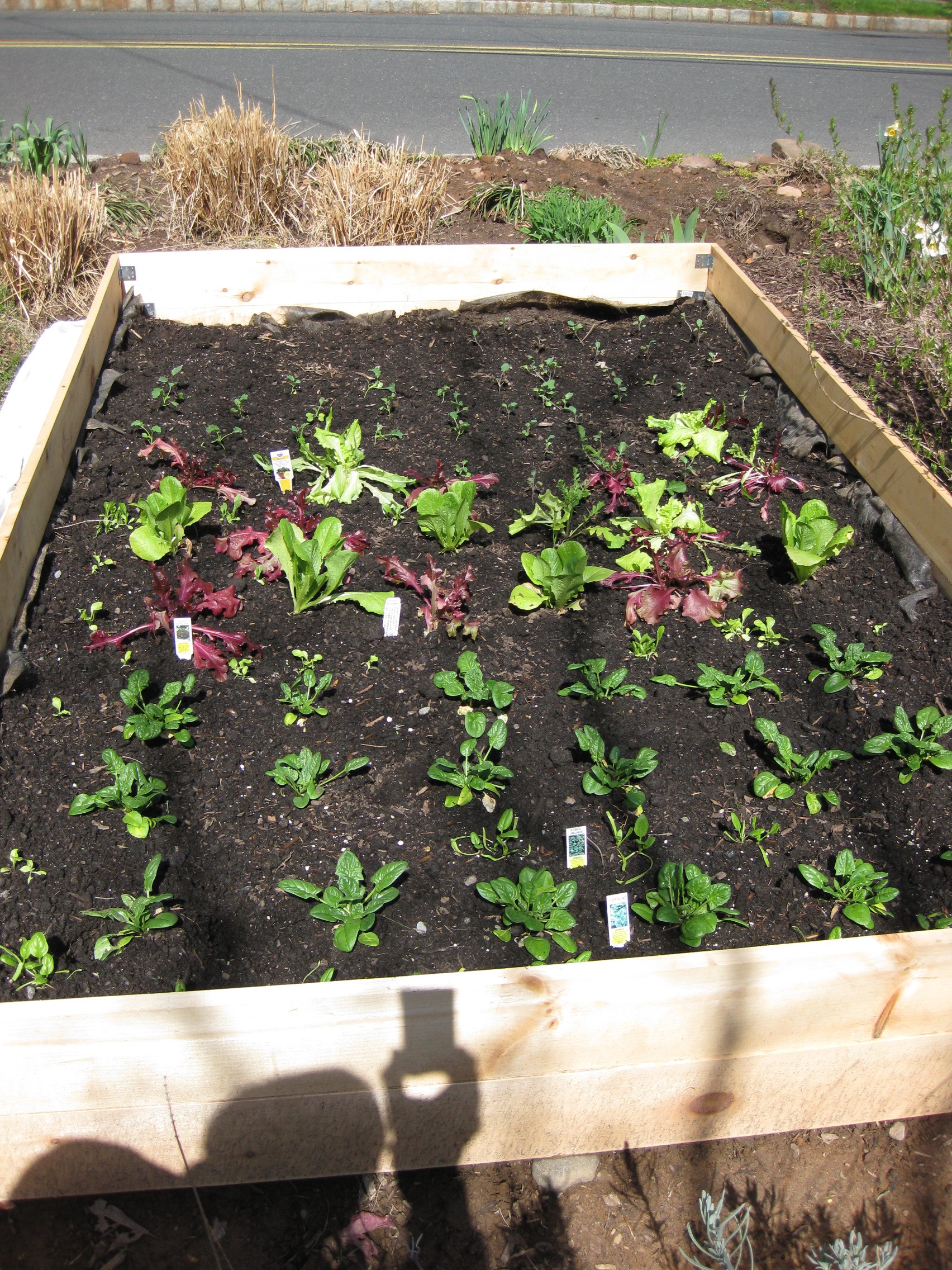 The first of two planned vegetable beds, installed 2 weekends ago. What’s in there? Spinach (bloomsdale long standing, greyhound) and lettuce (romaine, salad bowl red, arugula, black seeded simpson), both nursery grown and my own, as well as kale (winterbor) and broccoli (blue wind) seedlings. Peas (sugar snap and progress for shelling) will go in the front, along with some scaffolding, as soon as they sprout next week.
You may have noticed the yellow lines and asphalt at the top there. Yes, this is in my front yard about 4 feet from the street. Why the location? Unfortunately, it’s the only place that gets full sun from early morning to night. And I’m new in town, so I like to make a good first impression. Why, the folks in the many cars passing by are all probably saying “Well done! You’ve taken away eye-pleasing shrub and flower space, put a rudimentary pine box in there and reclaimed that space to grow some food.” Sure they are. More on this little experiment to come in future posts.
For documentations’ sake: started tomato, pepper and beet seeds 4/10.
Spring
The snow around here had disappeared around the beginning of March, so near the end of the second week of March I got spring fever and started me some seeds: lettuce, kale, spinach, broccoli, cilantro, basil and dill.
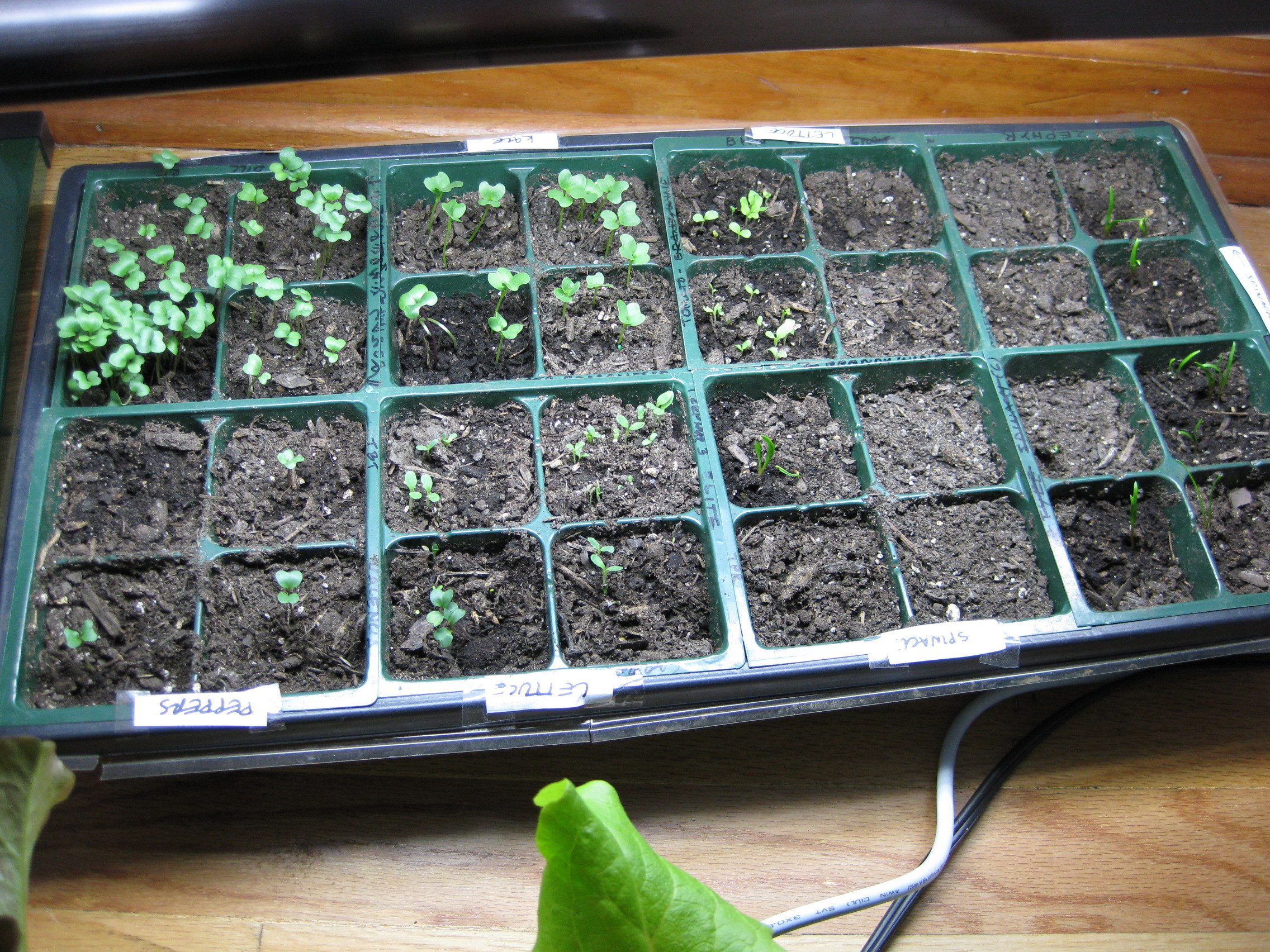
Seedlings March

Cilantro
Also bought some spinach, lettuce, rosemary and mint plants from a local nursery and some lumber and dirt from the Depot. And then it snowed.
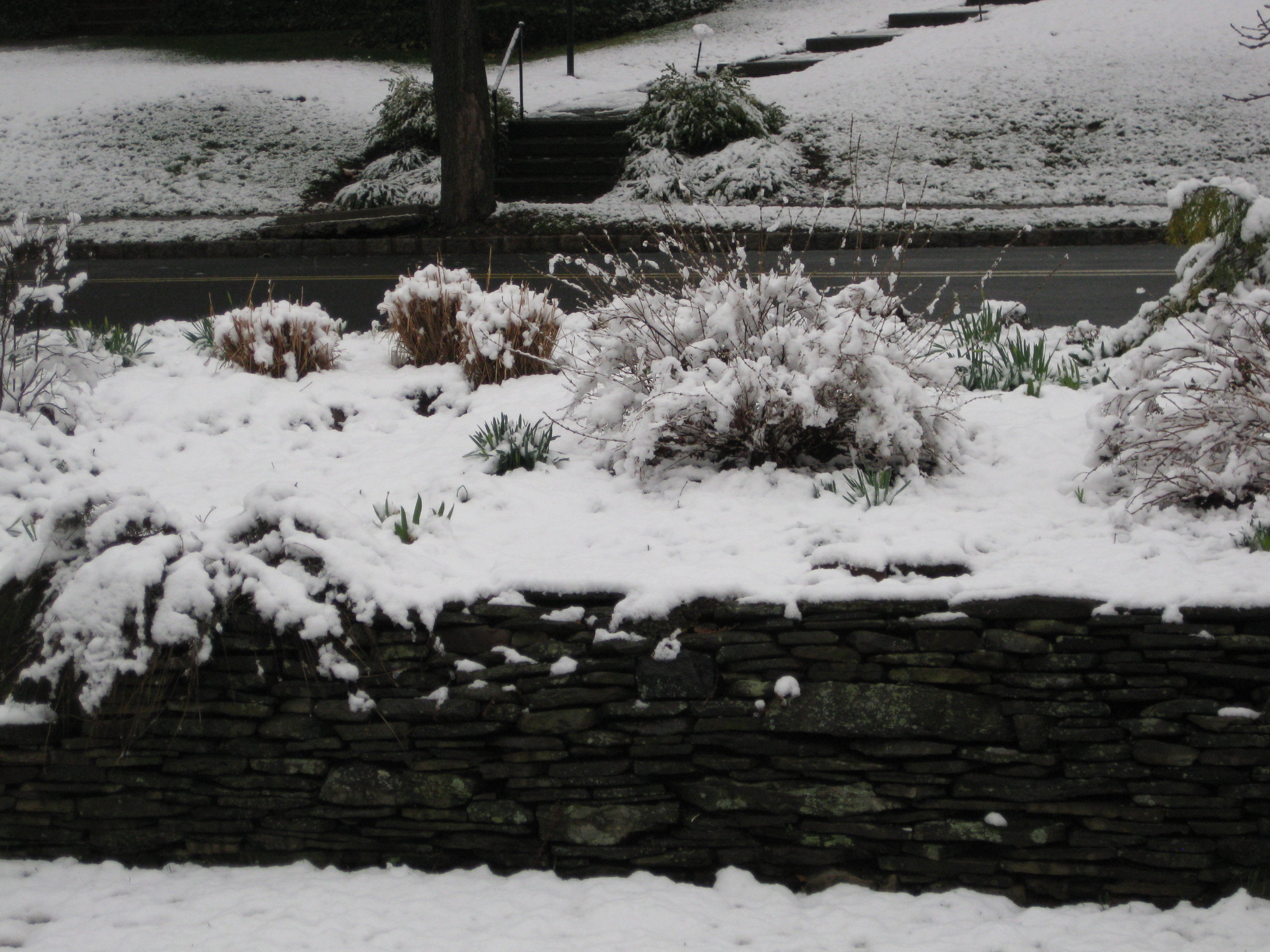
March Snow
Which put an obvious damper on my spring enthusiasm. At least I have the benefit of having been through Maine springs, which can sometimes fool one into trying to put one’s peas and lettuce in sooner than one should. So though nothing was planted, I kind of thought “maybe since I’m further south I can get a head start…” Ah well.
Starting some warm weather stuff indoors this week: peppers, melons and tomatoes. My plan is all about “rebuilding, adjusting” this year to see what is coming up and what works where in the various locations around the yard. And then I’ll see how much much annexing of arable land I’ll be able to get away with.
 Southern Maine Gardener